
The Buffer Comes Before the Blitz
It feels wrong to save while paying 22% interest. Every instinct says throw all of it at the debt. Do it anyway — just not with all of it. Without a buffer, the first car repair or dental bill lands straight back on the card, and it takes your motivation down with it. A small fund is not really a maths decision. It is what makes the whole plan survivable when real life inevitably happens.
Think about Marcus, who was six months into an aggressive avalanche payoff when his hot water system failed — an $850 repair he had no way to cover. Because he had built a $1,000 buffer first, he paid it from savings, felt annoyed for a day, and kept going. A year earlier, before he understood this, the exact same repair would have added a new balance to his most expensive card and reset his progress to zero.
This is the quiet difference between people who get out of debt once and people who cycle through it for a decade: not income, not intelligence, just whether there was $1,000 sitting between them and the next surprise.
How Much, At Each Stage
The right size for your fund changes as your situation changes. Trying to build a full six-month fund before touching your debt usually means years pass before you make any real progress — which is discouraging and unnecessary. Build it in stages instead.
| Stage | Target | Why |
|---|---|---|
| Stage 1 | $1,000 (or one month of essentials) | Enough to absorb a typical surprise without reaching for a card. |
| Stage 2 | Hold the buffer, attack the debt | Clear consumer debt aggressively while the $1,000 sits untouched. |
| Stage 3 | 3–6 months of essential expenses | Built using the payment amount you were sending to creditors. |
| Self-employed / single income | 6–9 months | Income is less predictable, so the cushion needs to be deeper. |
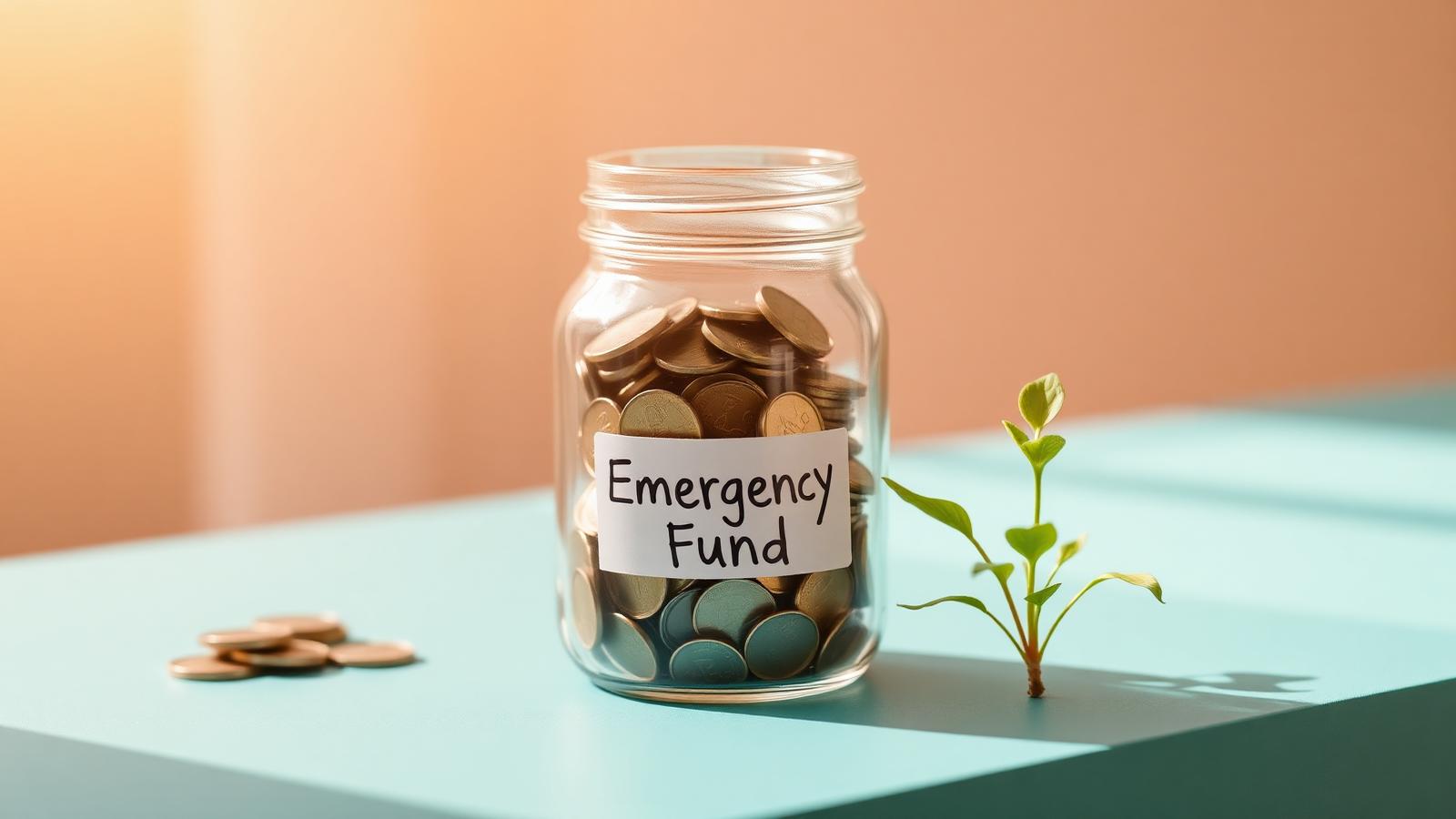
Build the First $1,000 in 30 Days
Your 30-day sprint
- Sell three things you have not used in the last year.
- Pause every non-essential subscription for one month.
- Take one extra shift, or a weekend of gig work.
- Bank any tax refund, rebate, bonus or gift in full — no exceptions.
- Run a strict no-spend fortnight on everything except food, fuel and bills.
None of these five steps require a new skill or a lucky break. They require a firm decision, held for thirty days, and most households that commit to all five hit $1,000 well before the month is out. The speed matters — a fast first win builds the belief that the rest of the plan is possible too.
Don't let the fund become a slush account
The moment "emergency fund" quietly becomes "fund for things I want," it stops doing its job. Define an emergency in writing before you start, and hold the line — a want dressed up as a need is still a want.
Where To Keep It
Keep it in a separate high-interest savings account, ideally at a different bank from your everyday card, with no debit card attached to it. It should be accessible within a day or two, but not visible when you are tapping your phone at a checkout on a tempting Friday night. Never park it in shares, crypto, or anything that could be worth 30% less on the exact day you need it most — an emergency fund's job is stability, not growth.
The fund is not there to make you money. It is there so a bad week never becomes a bad year.
A buffer isn't a splurge — it's the seatbelt for your whole plan
What Counts As an Emergency
Job loss, medical costs, an essential car repair, urgent home repair, emergency travel for a family crisis. That is genuinely the whole list. A sale, a holiday, a new phone, and Christmas are not emergencies — they are planned expenses that belong in the sinking funds inside your budget, saved for on purpose over months rather than sprung on you all at once.

Rebuild It Immediately
When you do have to use it, that is a success story, not a failure — the system worked exactly as intended and you stayed off the cards. Pause the debt attack for a short while, rebuild the buffer back to its target, then resume where you left off. This one habit, repeated calmly every time life throws something at you, is what separates people who get out of debt once from people who stay out of debt for good.
Should I pay off debt or save first if I have neither?
Build the small $1,000 buffer first, even while making minimum payments on everything else. It is the single change most likely to stop new debt from being created while you tackle the old debt.
What if my minimum payments are already unaffordable?
Speak with a free service like the debt helpline before building the fund — sometimes payments can be restructured first, which changes how much buffer you actually need.
Is $1,000 really enough?
For most common surprises — a repair, a bill, a short gap in income — yes. It is a starting buffer, not the finish line. The bigger three-to-six month fund comes later, once consumer debt is gone.
Can I count a credit card as my emergency fund?
No. A credit card is borrowed money at interest, exactly what you are trying to escape. Cash sitting in an account you control is the only thing that qualifies.
The short version
- 01Build a $1,000 buffer before attacking debt aggressively — it protects the whole plan.
- 02Size the fund in stages: starter buffer, then debt payoff, then a full 3–6 month fund.
- 03Keep it separate, boring, and liquid — not invested, not linked to a debit card.
- 04A clear written definition of 'emergency' keeps the fund from quietly leaking away.
- 05Using it is a win, not a setback — rebuild it, then keep moving.
With your buffer in place, put the rest of your income to work with the three-account budget, free up extra cash by reading Cut Your Debts, and choose the payoff order that suits you in Snowball vs Avalanche.